
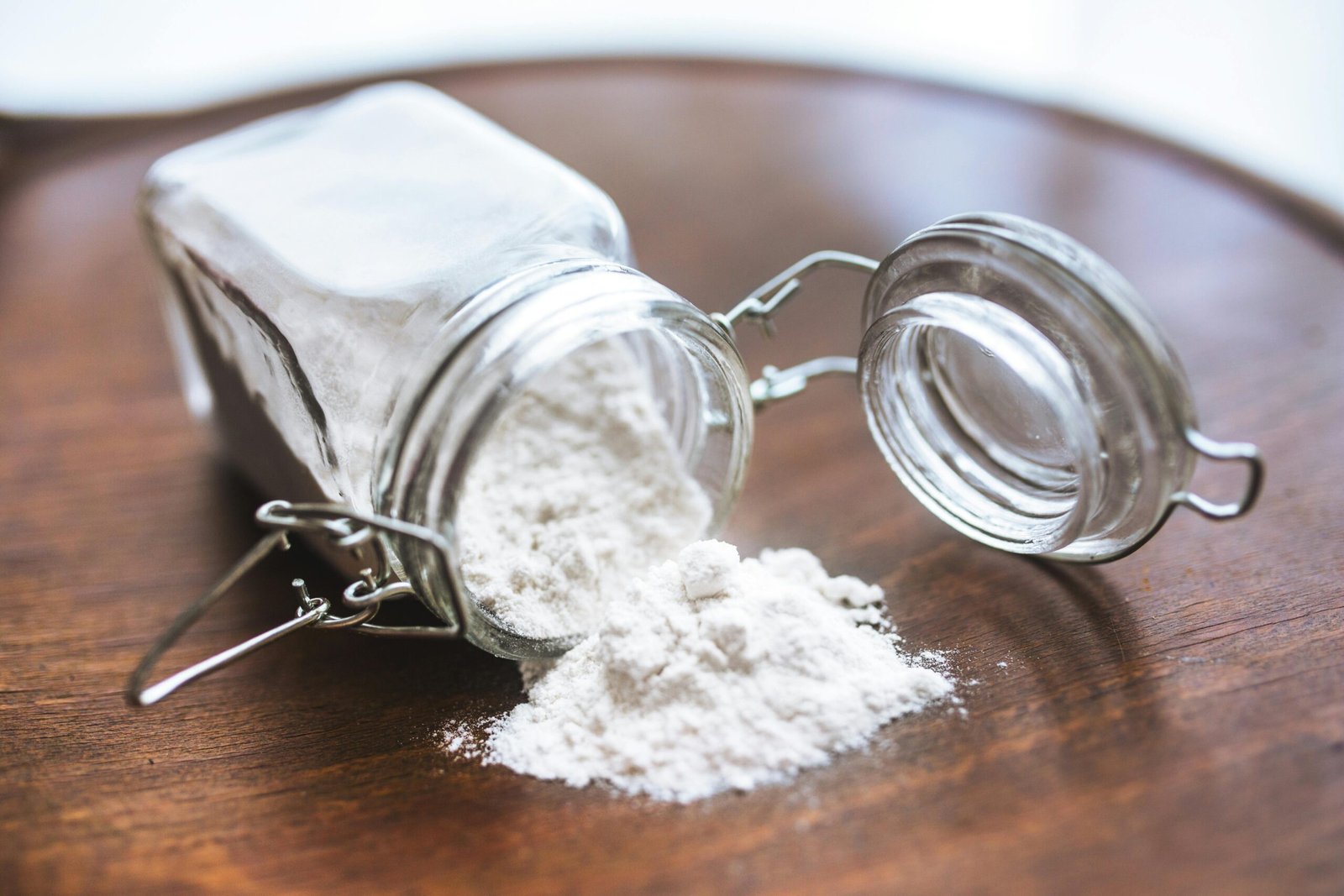
Flour is a pantry staple in almost every kitchen, but if not stored correctly, it can spoil or attract unwanted pests. Proper storage ensures that your flour stays fresh, maintains its quality, and remains ready for all your baking and cooking needs. Here’s everything you need to know about storing flour the right way.
1. Choose the Right Container
The type of container you use for storing flour plays a significant role in keeping it fresh. Avoid keeping flour in the original paper packaging, as it can easily absorb moisture and allow pests to enter.
Recommended Storage Containers:
- Airtight Plastic or Glass Containers: These prevent air and moisture from seeping in.
- Food-Grade Buckets with Lids: Ideal for large quantities.
- Vacuum-Sealed Bags: Excellent for long-term storage.
Find the best airtight containers for flour storage here.
2. Keep It Cool and Dry
Flour lasts longer when stored in a cool, dry place. Heat and humidity can cause flour to spoil quickly.
- Pantry Storage: Store flour in a pantry or cupboard away from direct sunlight.
- Refrigeration: For long-term storage, especially for whole-grain flours, the refrigerator is a great option.
Pro Tip:
Consider using moisture absorbers or oxygen absorbers to extend the shelf life of flour stored in humid environments.
Shop for affordable moisture absorbers here.
3. Freeze for Longer Shelf Life
If you want to store flour for over a year, freezing is your best bet. Place the flour in a freezer-safe, airtight container or bag to avoid freezer burn. Whole-grain flours, in particular, benefit from freezing because their higher oil content makes them prone to rancidity.
- Before using frozen flour, let it come to room temperature to avoid clumping.
Check out freezer-safe storage options here.
4. Rotate Your Stock
Always practice the “First In, First Out” (FIFO) method when storing flour. This means using the oldest flour first and keeping newer purchases behind the older ones.
- Label containers with the date of purchase or storage.
Find easy-to-use pantry labels here.
5. Watch Out for Signs of Spoilage
Even with proper storage, it’s essential to check for signs of spoiled flour:
- Off Smell: Rancid or sour odors are indicators that flour has gone bad.
- Pests: Discard immediately if you notice bugs or larvae.
- Clumping: This often indicates exposure to moisture.
Essential Products for Storing Flour
Investing in the right storage tools can make a significant difference in preserving your flour. Here are some top-rated Amazon products that will help you:
- Airtight Flour Storage Containers
- Vacuum Sealer Machines
- Food-Grade Storage Buckets
- Reusable Pantry Labels
Conclusion
Proper flour storage is easy and saves you money by preventing waste. Whether you’re a frequent baker or just an occasional cook, taking these steps will ensure your flour stays fresh and ready for use.
Ready to upgrade your flour storage game? Check out our curated list of storage essentials on Amazon! Shop Now